GLP-1 comparability studies confirm that two lots of research peptide — semaglutide, tirzepatide, or retatrutide — actually match on purity, identity, and potency before a lab treats them as interchangeable in a 2026 protocol. This guide breaks down what to check, what to skip, and which sourcing choices hold up under scrutiny.
- Glp-123 stocks lot-documented semaglutide, tirzepatide, and retatrutide for 2026 comparability protocols — Buy.
- Purity variance beyond the typical 98% HPLC baseline invalidates lot-to-lot comparability — check every COA.
- Skip suppliers without per-lot certificates; comparability data means nothing without a traceable reference.
- A calibrated lab scale matters as much as the peptide for accurate potency comparability math.
Why this matters
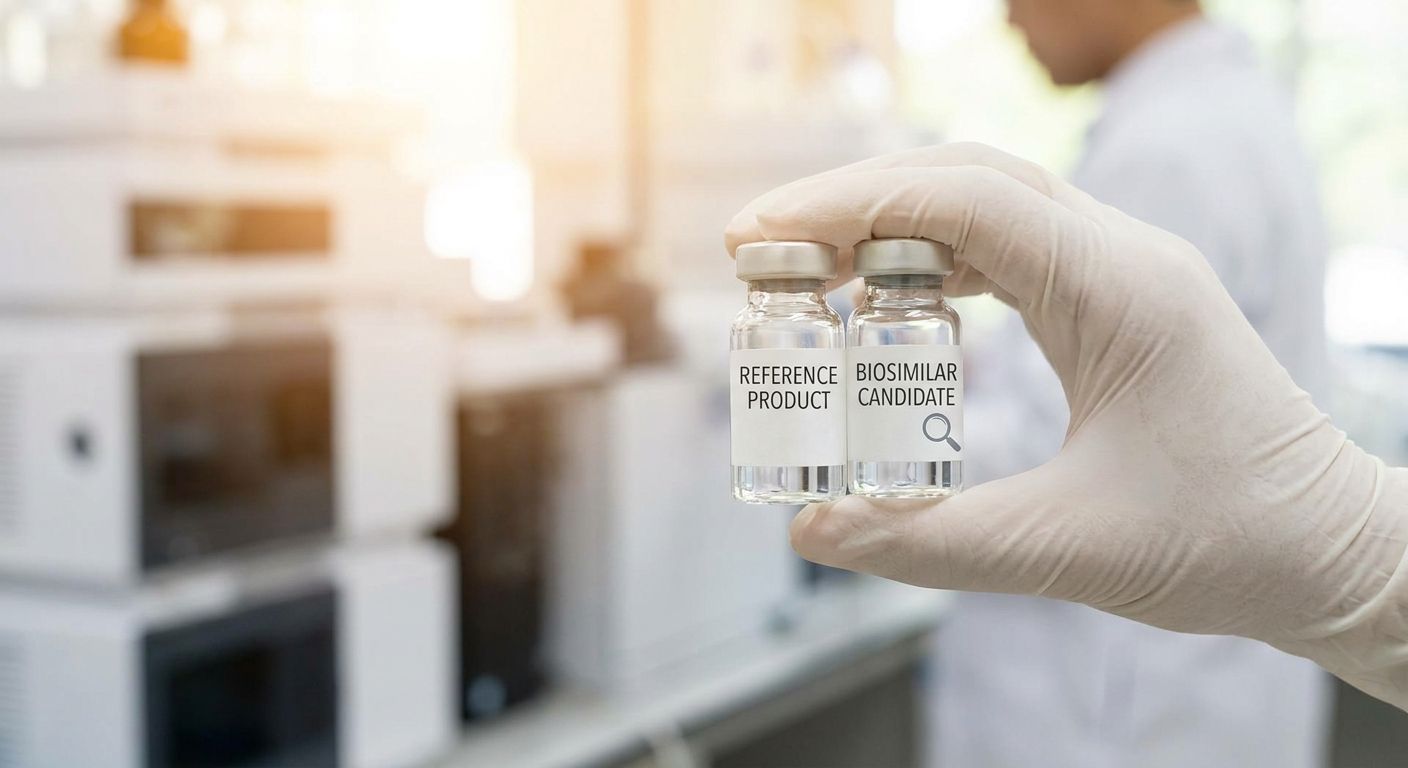
A comparability study exists to answer one question: did anything meaningful change between this lot and the reference lot. Regulatory frameworks like ICH Q5E built this logic for biologics manufacturing, and the same discipline applies when a research lab swaps peptide sources or restocks a GLP-1 analog mid-study.
Skip the comparison and you inherit a confound you can't explain later. A tirzepatide lot with a different acetylation pattern or a semaglutide batch off on purity by a few points changes downstream assay results, and nobody catches it until the data doesn't replicate. In 2026, with more suppliers entering the research peptide space, comparability discipline is the difference between a defensible dataset and a retraction risk.
Who this is for
This guide is for lab managers, CRO analysts, and university research teams running GLP-1 research peptide protocols who need to swap lots, switch vendors, or restock semaglutide, tirzepatide, or retatrutide without breaking data continuity. If your protocol spans more than one purchase order, you need a comparability plan, not a hope that the new vial matches the old one.
What to look for in GLP-1 comparability studies
Analytical method consistency across lots
HPLC purity and mass spec identity only mean something if the same method runs on both the reference lot and the new lot. Switching analytical methods between comparisons introduces variance that has nothing to do with the peptide itself, and it's the single most common mistake labs make when comparing batches.
Third-party certificates of analysis per batch
A COA tied to a specific lot number, not a generic product page, is the baseline requirement. Without a per-lot certificate, you have no reference point to compare against when the next shipment arrives.
Reference standard traceability
Every comparability claim needs a fixed reference — usually the first validated lot in a study. If that reference lot runs out and gets replaced without documentation, the whole chain of comparisons breaks silently.
Storage and stability documentation
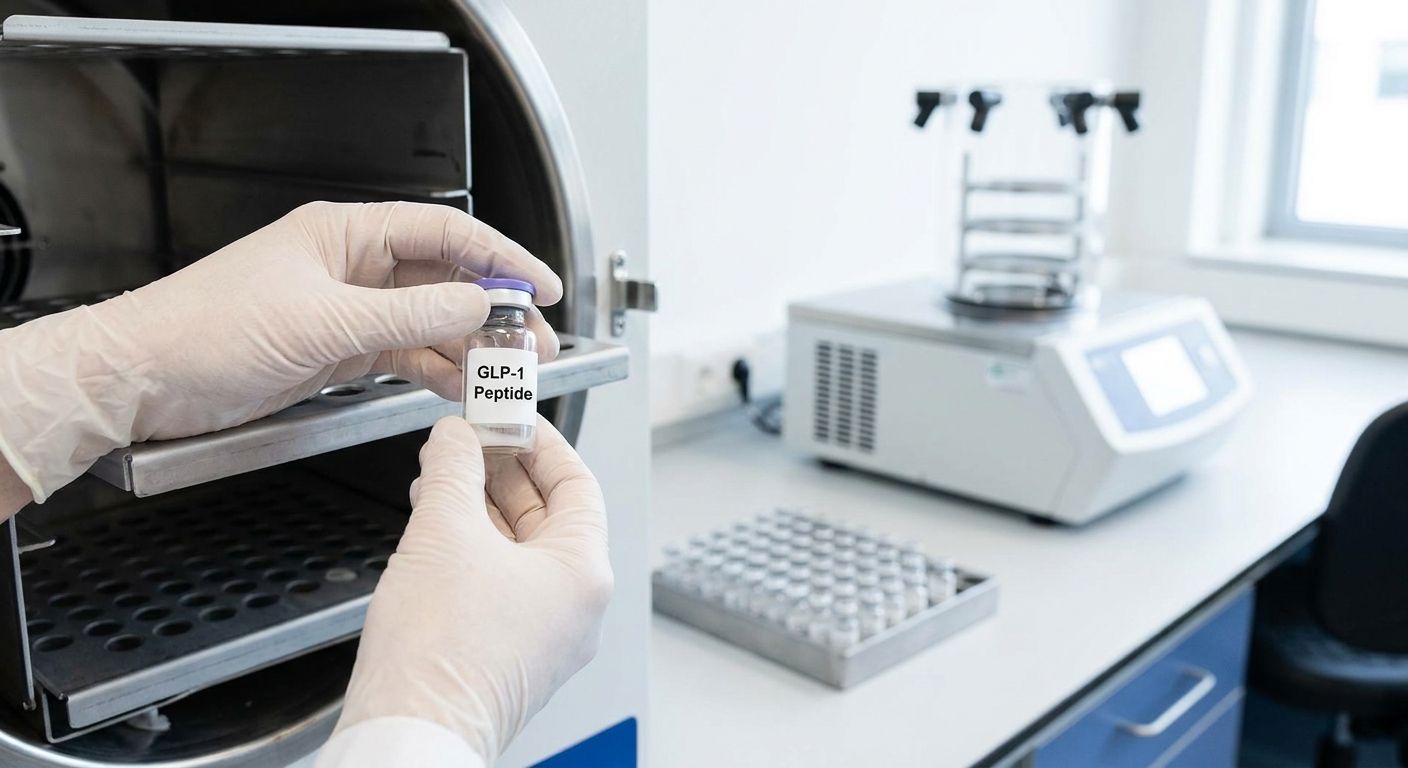
Lyophilized peptides degrade differently depending on freeze-thaw history and storage temperature. A lot that sat in a warm warehouse for six weeks before shipping isn't comparable to one shipped cold, even if the original synthesis was identical.
Reconstitution and handling consistency
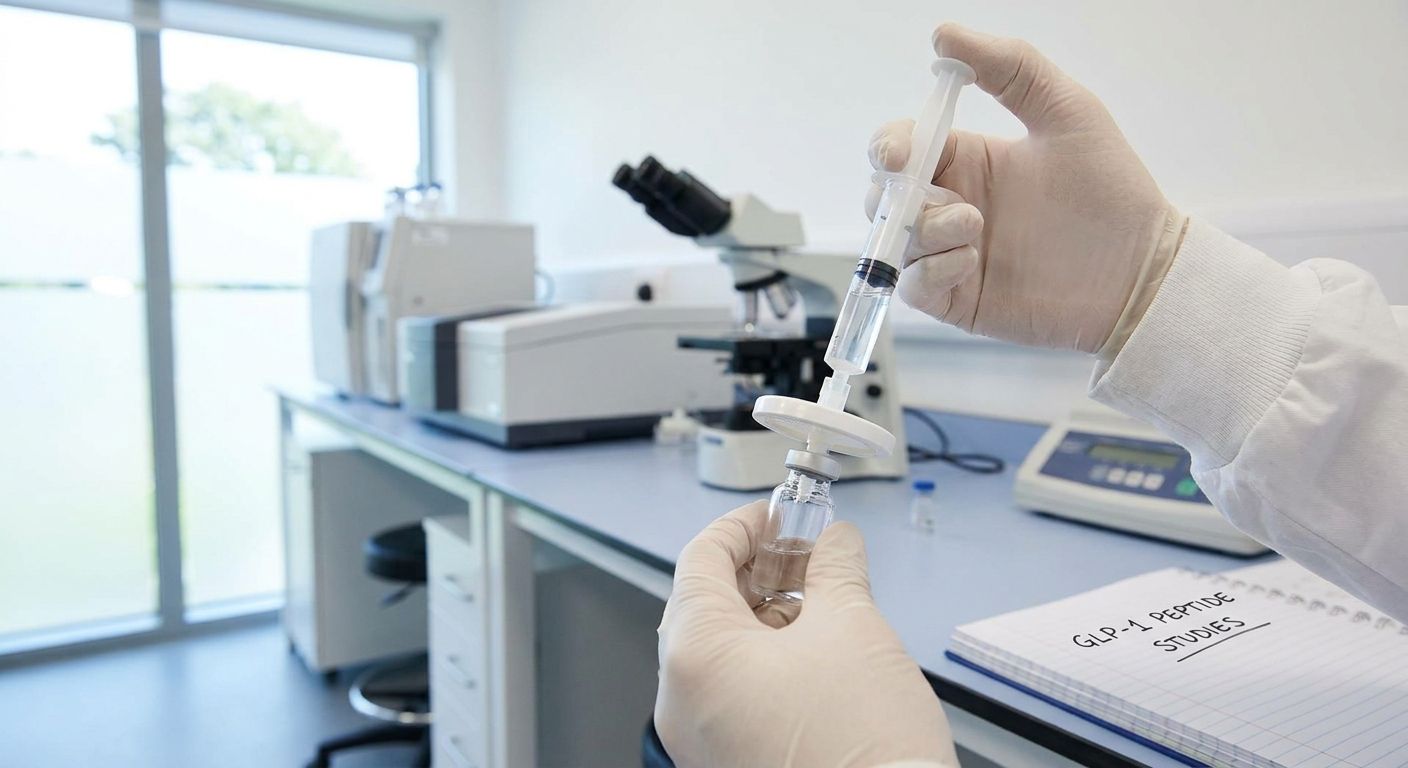
Dilution volume, bacteriostatic water concentration, and mixing technique all affect the concentration you're actually testing. Comparability studies that don't standardize reconstitution steps are comparing noise, not peptide.
“If the COA doesn't match on purity, identity, and potency, the two lots are not comparable — full stop.”
Top picks for GLP-1 comparability work
1. Third-party tested lots — the compliance pick. Every batch ships with an independent certificate tied to the specific lot number, which is the only way a comparability record holds up under review. This is the category third-party tested peptides exists for — compliance-focused labs that can't afford a gap in the paper trail. Verdict: Buy.
2. High-purity baseline stock — the reference standard. Many labs treat 98% or higher HPLC purity as the floor for a valid comparability baseline, and stock built to that floor gives you a clean reference lot to measure everything else against. The high-purity peptides for laboratory research protocols line covers semaglutide, tirzepatide, and retatrutide at that standard. Verdict: Buy.
3. Precision lab scale — the measurement control. Potency comparability math falls apart if the powder weighed for reconstitution isn't accurate to sub-milligram resolution — a scale drift of even a few tenths of a milligram shifts your calculated concentration across a full study. The lab scale for measuring peptide powder samples is the control most labs skip until a comparability run fails. Verdict: Buy.
4. CRO-sourced batches — the outsourced option. Contract research organizations can supply GLP-1 research peptides with batch documentation attached, which works for labs that don't run in-house synthesis but still need traceable lots. It costs more per batch than direct sourcing, and turnaround runs slower than stocking your own reference lots. Verdict: Consider.


What to avoid
- Vendors without lot-specific COAs. A generic product-page certificate that doesn't name a batch number is not a comparability document — it's marketing.
- Mixed reconstitution protocols mid-study. Switching bacteriostatic water concentration or syringe volume halfway through a comparison introduces a variable you can't isolate later.
- Skipping the stability check on aged reference lots. A reference lot stored past its documented stability window stops being a valid baseline, even if it still looks fine on paper.
Verdict comparison table
| Pick | Category | Key spec | Best for | Verdict |
|---|---|---|---|---|
| Third-party tested lots | Compliance stock | Per-lot COA | Compliance-focused labs | Buy |
| High-purity baseline | Reference standard | 98%+ HPLC purity | University and biotech labs | Buy |
| Precision lab scale | Measurement tool | Sub-milligram resolution | Potency calculations | Buy |
| CRO-sourced batches | Outsourced production | Batch documentation | Labs without in-house synthesis | Consider |
FAQ
What is a GLP-1 comparability study?
A GLP-1 comparability study is a side-by-side check confirming a new peptide lot matches a reference lot on purity, identity, and potency. Labs run this whenever a source, batch, or manufacturing step changes mid-protocol.
Why do comparability studies matter for semaglutide research?
Semaglutide comparability studies catch purity or identity drift between lots before it contaminates study results. Without one, a swapped vial can quietly shift dose-response data across an entire 2026 research timeline.
What analytical methods confirm peptide comparability?
HPLC for purity and mass spectrometry for identity are the two standard checks. Both methods need to stay identical across the reference lot and the test lot for the comparison to hold up.
How much purity variance is acceptable between lots?
Most labs treat anything below the 98% HPLC baseline as a flag for further review rather than an automatic pass. The exact threshold depends on the protocol's sensitivity, but the baseline itself should never move without documentation.
Do university labs need comparability data?
Yes — any lab publishing or sharing data across multiple peptide purchases needs a documented comparability trail. Reviewers and collaborators expect to see it when a study spans more than one lot.
What's the difference between comparability and stability testing?
Comparability testing checks whether two different lots match each other; stability testing checks whether one lot changes over time. A full research protocol needs both, not one instead of the other.
How does reconstitution affect comparability results?
Reconstitution volume and diluent concentration directly change the tested concentration, so inconsistent mixing between lots can look like a purity or potency difference that isn't real. Standardizing bacteriostatic water volume across every comparison run removes that variable.
Where can labs source GLP-1 research peptides with lot-specific documentation?
Look for suppliers that attach a certificate of analysis to the specific batch number on the vial, not a generic product listing. Glp-123 lists lot-tested semaglutide, tirzepatide, and retatrutide research peptide stock for this exact use case.
One last thing
Most comparability failures in GLP-1 research protocols don't start at synthesis — they start at reconstitution. A lab switches bacteriostatic water brands or bumps the dilution volume by half a milliliter, and the resulting potency shift gets blamed on the peptide lot instead of the prep step. Lock the reconstitution protocol before you lock the comparability plan, and half the false positives disappear.