Lyophilized tirzepatide research peptide loses potency fast when storage conditions slip — temperature swings, light exposure, and humidity are the three variables that wreck a vial before it ever reaches a bench. This guide ranks the storage practices that actually protect a lyophilized tirzepatide research peptide, in order of impact, so labs stop guessing and start following a checklist.
- Lyophilized tirzepatide research peptide holds potency longest at -20°C, protected from light and moisture — freezer storage is non-negotiable.
- Once reconstituted, keep the vial refrigerated at 2-8°C and plan to use it within about 28 days, matching standard multi-dose vial handling.
- Repeated freeze-thaw cycles are the fastest way to degrade a peptide chain — a single controlled thaw beats five quick ones.
- Cold chain shipping failures during transit are avoidable with insulated packaging and same-week delivery, not a storage fix after the fact.
Why this matters
Tirzepatide is a peptide chain, and peptide chains break down through hydrolysis, oxidation, and aggregation — all three accelerate with heat, light, and moisture. A vial left on a counter at room temperature for a weekend does not look different, but the peptide backbone can already be compromised.
Labs running metabolic research protocols in 2026 are ordering higher volumes of tirzepatide research peptide than at any point in the last three years, and storage mistakes scale with volume. One mishandled freezer shutdown wipes out a whole batch, not one vial. Getting the freezer storage for tirzepatide research vials step right on day one is cheaper than reordering.
How this list is ranked
The conditions below are ordered by how much stability damage each one causes when ignored, based on published peptide stability principles, cold-chain shipping standards, and standard multi-dose vial handling guidance used across contract research and university labs. Temperature control ranks first because it is the single biggest variable in peptide degradation. Light and moisture follow because they compound temperature damage even when a freezer is working correctly. The list ends with practices that matter but carry lower individual risk.
The ranked storage conditions
1. Freezer temperature at -20°C
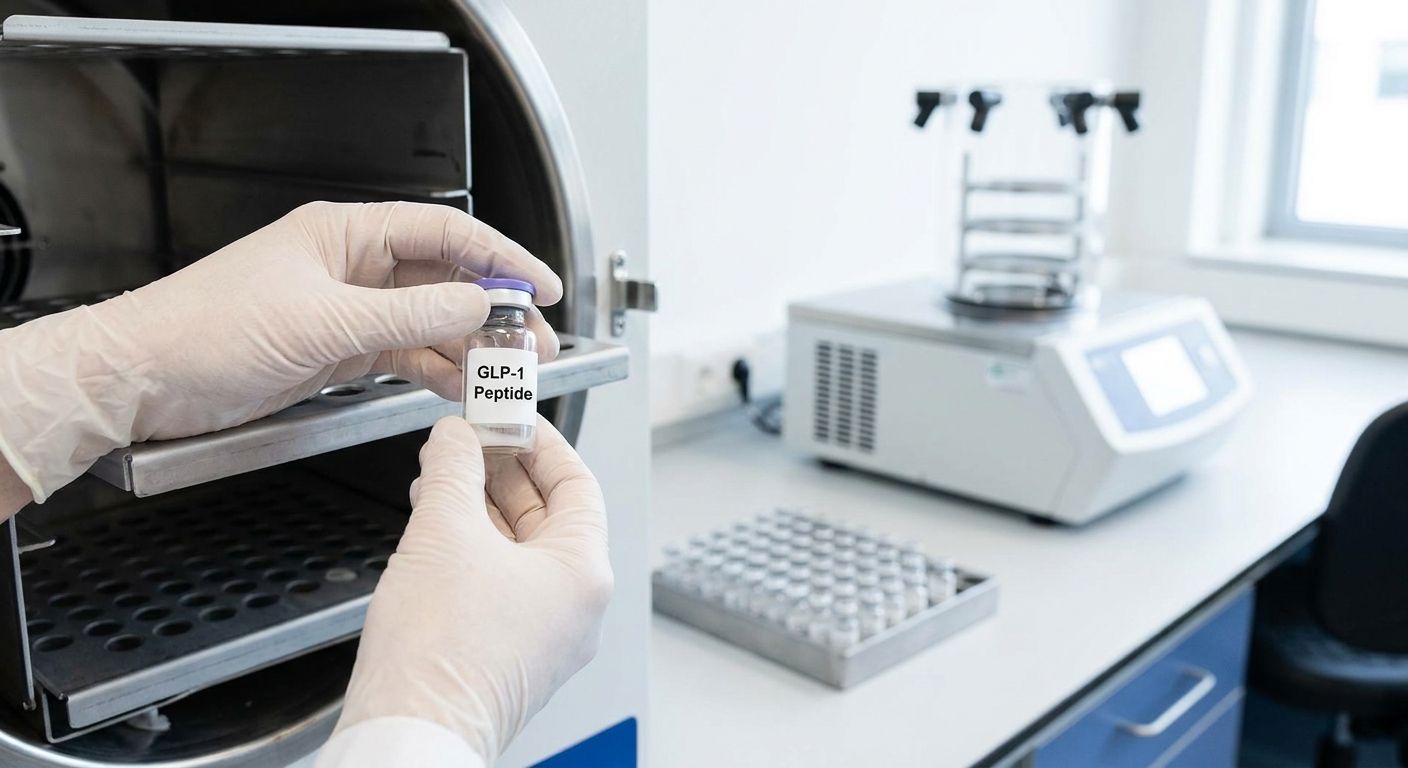
The baseline everyone underestimates. A lyophilized tirzepatide research peptide stored at a consistent -20°C stays chemically stable far longer than one exposed to freezer-door temperature swings from repeated opening. Chest freezers with minimal traffic hold temperature tighter than shared lab fridges with a freezer compartment. A digital min/max thermometer left inside the unit catches silent temperature excursions that a dial thermostat never will. Verdict: Non-negotiable — this is the single highest-impact storage step.
2. Light exposure control
UV and even standard fluorescent lighting degrade peptide bonds over time, which is why lyophilized peptide vials ship in amber glass or opaque secondary packaging. Storing vials in a drawer or an opaque box inside the freezer, rather than an open shelf, removes this variable entirely. Labs that store vials in clear freezer bins under lab lighting are trading convenience for shelf life. Verdict: Essential — takes zero extra cost, high protective value.
3. Humidity and desiccant control
Lyophilized peptide is freeze-dried specifically to remove moisture, and reintroducing humidity through condensation defeats that process. Letting a vial reach room temperature before opening it, rather than opening it cold, causes condensation to form the instant the seal breaks. A small silica desiccant packet inside the storage container absorbs residual humidity in the freezer environment. Verdict: Essential — low effort, prevents a common and invisible failure.
4. Reconstitution timing and refrigeration window
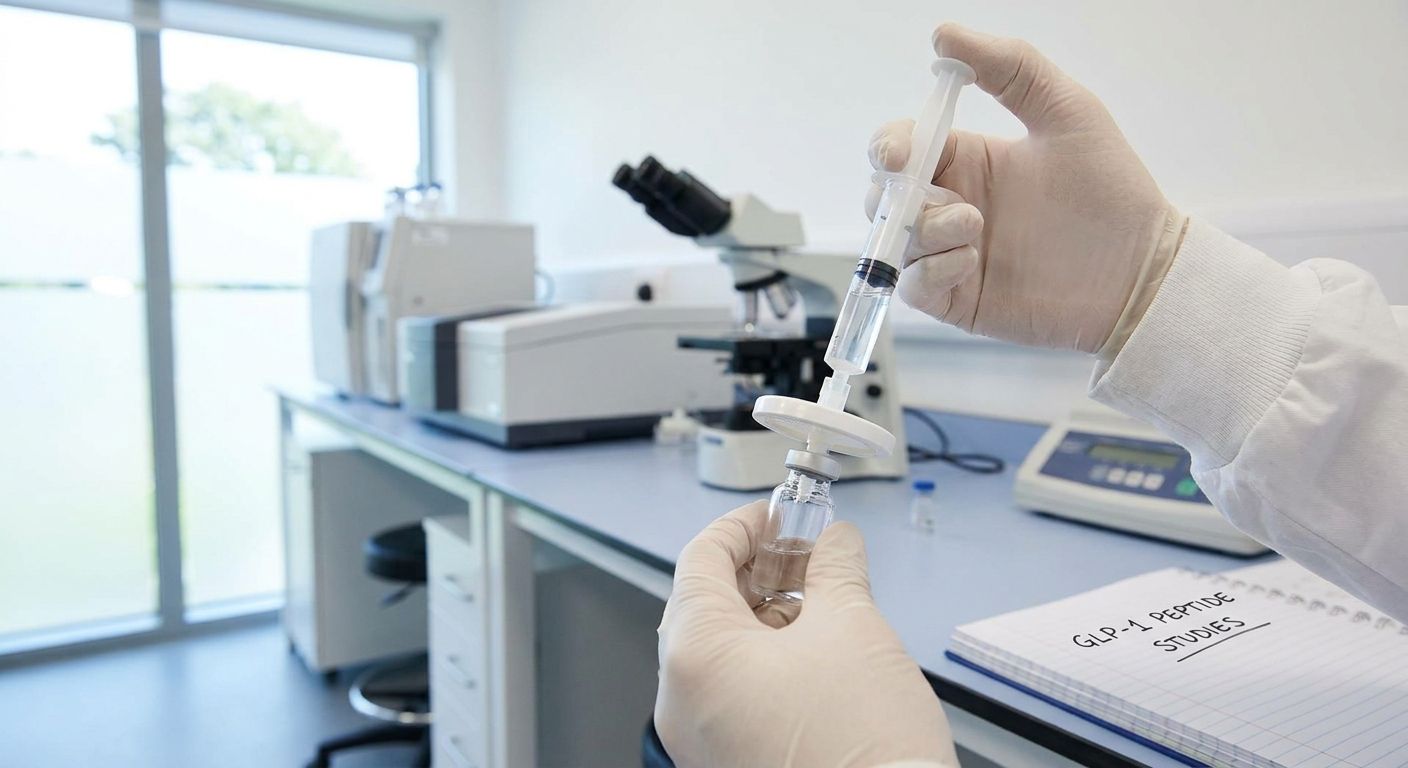
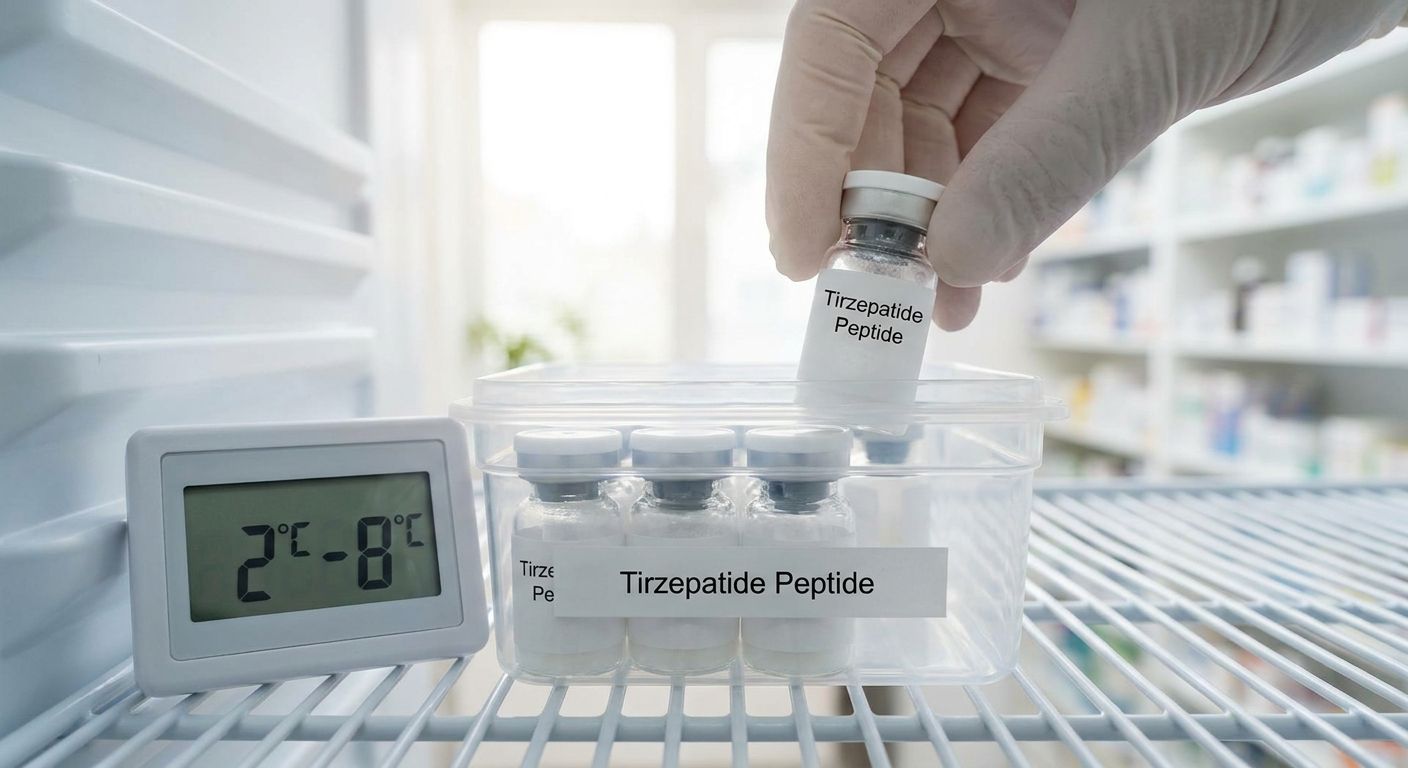
Once a lyophilized tirzepatide research peptide is mixed with bacteriostatic water, the clock starts. Standard multi-dose vial guidance puts the practical use window at roughly 28 days when the reconstituted solution is kept refrigerated at 2-8°C, the same range used for other benzyl-alcohol-preserved multi-dose vials. Reconstituted solution left at room temperature for extended periods shortens that window considerably. Pairing reconstitution with bacteriostatic water for tirzepatide reconstitution that has its own seal intact avoids introducing contaminants that shrink the usable window further. Verdict: Critical — the step most labs skip planning around.
5. Freeze-thaw cycle avoidance
Repeated freezing and thawing stresses the peptide structure through ice crystal formation, which physically damages the chain each cycle. A vial pulled out for use and refrozen multiple times per week degrades faster than one thawed once and kept refrigerated for the full use window. Aliquoting a larger stock into smaller working vials before the first freeze avoids this problem for research groups running frequent protocols. Verdict: Skip repeated cycling — plan aliquots instead.
6. Cold chain shipping and receiving
Storage discipline means nothing if the peptide already degraded in transit. Cold chain shipping for lyophilized research peptides with insulated packaging and minimal transit time protects the vial before it ever reaches a freezer. Vials that sit in a hot delivery truck or an unattended porch for hours before refrigeration start losing stability before day one of storage even begins. Checking the packaging for gel packs or insulation on arrival tells you whether the cold chain held. Verdict: Buy from suppliers who ship this way — skip suppliers who don't.
Comparison table
| Condition | Target range | Risk if ignored | Priority |
|---|---|---|---|
| Freezer storage | -20°C | Rapid potency loss | Critical |
| Light exposure | Dark/opaque container | Bond degradation | Essential |
| Humidity/desiccant | Low humidity, sealed | Condensation damage | Essential |
| Post-reconstitution | 2-8°C, ~28-day window | Shortened usable life | Critical |
| Freeze-thaw cycles | Single controlled thaw | Structural damage | High |
| Shipping/cold chain | Insulated, fast transit | Pre-storage degradation | High |


Where to buy
- Order from a supplier that ships lyophilized tirzepatide research peptide with insulated, temperature-controlled packaging, not a padded envelope.
- Confirm the best place to buy GLP-1 research peptides online discloses batch testing and lists storage instructions on the product page itself.
- Move vials directly from the shipping box into freezer storage on arrival — do not let a delivered vial sit at ambient temperature while you finish other tasks.
“A vial that survives shipping but sits on a counter for an hour has already started losing the stability that storage was supposed to protect.”
FAQ
What is the best storage temperature for lyophilized tirzepatide?
Lyophilized tirzepatide research peptide is best stored at -20°C in a consistent, low-traffic freezer. Avoid units with frequent door openings, since temperature swings shorten shelf life faster than steady cold.
How long does reconstituted tirzepatide stay usable?
Reconstituted tirzepatide research peptide is typically used within about 28 days when kept refrigerated at 2-8°C, following standard multi-dose vial handling guidance. Longer storage outside that range increases degradation risk.
Can lyophilized tirzepatide be stored at room temperature?
Short-term room temperature exposure during transit is common, but ongoing room-temperature storage accelerates degradation. Freezer storage at -20°C remains the standard for lyophilized research peptide in 2026.
Does light exposure damage tirzepatide peptide?
Yes, UV and standard lab lighting degrade peptide bonds over time. Keeping vials in opaque containers or closed drawers inside the freezer prevents this exposure entirely.
Is refreezing reconstituted tirzepatide safe?
Refreezing reconstituted solution is not recommended. Repeated freeze-thaw cycles damage the peptide structure through ice crystal formation, so aliquoting before the first freeze is the better approach.
How does cold chain shipping affect tirzepatide storage?
Cold chain shipping protects the peptide before it reaches your freezer. A supplier that skips insulated packaging risks delivering a vial that already lost stability in transit, regardless of how well you store it afterward.
What causes tirzepatide peptide to degrade fastest?
Heat, light, and moisture are the three primary degradation drivers for lyophilized tirzepatide research peptide. Controlling all three through freezer storage, opaque containers, and desiccants addresses most degradation risk.
Does humidity matter for lyophilized peptide storage?
Humidity reintroduces moisture that the lyophilization process removed, which can compromise the peptide once the vial seal is broken. A silica desiccant packet in the storage container controls this variable.
One last thing
The detail most labs miss isn't the freezer setting — it's the gap between delivery and storage. A vial that ships correctly and sits at -20°C correctly can still lose stability if it spends two hours on a porch or a loading dock at 80°F before anyone puts it away. Treat the first hour after delivery as part of the storage protocol, not a separate step, and the rest of this checklist actually holds.