Retatrutide research protocols live or die on vial math: pick a size that doesn't force you to waste product or guess at concentration, and the rest of the protocol gets easier. This guide ranks the vial sizes GLP-123 stocks for retatrutide (branded internally as GLP-3R/GLP-3RT) research kits and tells you which one fits which lab setup in 2026.
- The 10mg retatrutide research vial is the safest default for most labs running triple-agonist studies in 2026 — buy it.
- 5mg vials suit single-session assay work where reconstituted solution won't sit past a few days.
- 20mg vials cut cost-per-mg for multi-week protocols but only pay off if freezer storage is reliable.
- Reconstituting a 10mg peptide vial size for retatrutide with 3mL bacteriostatic water yields roughly 3.33mg/mL.
- Skip oversized custom vials unless your lab runs concurrent studies that actually consume the volume before degradation risk climbs.
Why this matters
Vial size isn't a cosmetic choice — it dictates how much bacteriostatic water you add, how long the reconstituted solution stays viable in a fridge, and how many aliquots you can pull before the vial is empty. Undersize the vial and you're reconstituting every few days, which multiplies handling and contamination risk. Oversize it and lyophilized peptide sits exposed to freeze-thaw cycles longer than it should.
For labs running retatrutide research peptide protocols in 2026, the choice usually comes down to three sizes: 5mg, 10mg, and 20mg. Each has a distinct use case, and picking wrong wastes either money or peptide.
How we ranked
The ranking below weighs three factors: cost-per-mg at the vial's list price, how well the size matches typical reconstitution volumes (2mL to 4mL of bacteriostatic water is standard for most GLP research protocols), and how the size performs across a full study cycle without repeated reconstitution. Vial sizes that force awkward concentrations or require reconstituting more than once per week during active use rank lower. Prices reflect 2026 GLP-123 storefront listings.
The ranked list
1. GLP-3RT 10mg — the safe default
The GLP-3RT 10mg vial ($42.00) is the size most research protocols land on because it splits the difference cleanly. Reconstituted with 3mL of bacteriostatic water, it lands at roughly 3.33mg/mL — a concentration that's easy to pull consistent aliquots from without hitting single-drop precision problems.
It also holds up across a two-to-three-week study window when kept refrigerated between draws, so you're not reconstituting a fresh vial mid-protocol. For a lab that runs one active retatrutide study at a time, this is the size to standardize on. Buy.
2. GLP-3RT 5mg — the single-session pick
At $34.00, the GLP-3RT 5mg vial costs almost as much per unit as the 10mg despite half the peptide, which makes its cost-per-mg worse. But it earns its spot when a protocol only needs a short-duration run — reconstitute with 2mL and you get 2.5mg/mL, used up within a few days so degradation risk from repeated freeze-thaw never becomes a factor.
This is the pick for pilot assays or one-off comparative work where you don't want unused peptide sitting in a fridge for weeks. Consider — good for short protocols, a worse deal for anything longer than a week.
3. GLP-3R 20mg — the multi-week workhorse
The GLP-3R 20mg vial ($78.00) has the best cost-per-mg of the three and is built for labs running concurrent or extended retatrutide studies. Reconstitute with 4mL of bacteriostatic water for a 5mg/mL solution, which supports more aliquots before the vial is empty.
The tradeoff is storage discipline: a 20mg vial sitting reconstituted for multiple weeks needs consistent cold-chain handling, or the extra peptide you paid to save on is the first thing degraded. If your freezer and fridge logging are solid, this is the most economical peptide vial size for retatrutide research. Buy — but only with reliable storage in place.
4. Custom bulk vials — the wildcard
Some labs request oversized custom retatrutide vials to cut per-mg cost further. Unless your research group is actively consuming that volume across parallel protocols within the peptide's stable window, bulk sizing just moves the waste from packaging to the freezer. For most single-study labs, this is a Skip.


Comparison table
| Vial size | Price (2026) | Typical reconstitution | Resulting concentration | Best for | Verdict |
|---|---|---|---|---|---|
| GLP-3RT 5mg | $34.00 | 2mL BW | ~2.5mg/mL | Single-session, short protocols | Consider |
| GLP-3RT 10mg | $42.00 | 3mL BW | ~3.33mg/mL | Standard 2-3 week studies | Buy |
| GLP-3R 20mg | $78.00 | 4mL BW | ~5mg/mL | Multi-week, concurrent studies | Buy |
| Custom bulk | Varies | Varies | Varies | High-volume parallel research only | Skip |
Where to buy
- Buy retatrutide research vials from a source that lists batch or lot-level testing rather than a generic "purity" claim on the page.
- Match your bacteriostatic water source to the reconstitution ratio you plan to run — don't order water in a volume that doesn't cleanly divide into your vial size.
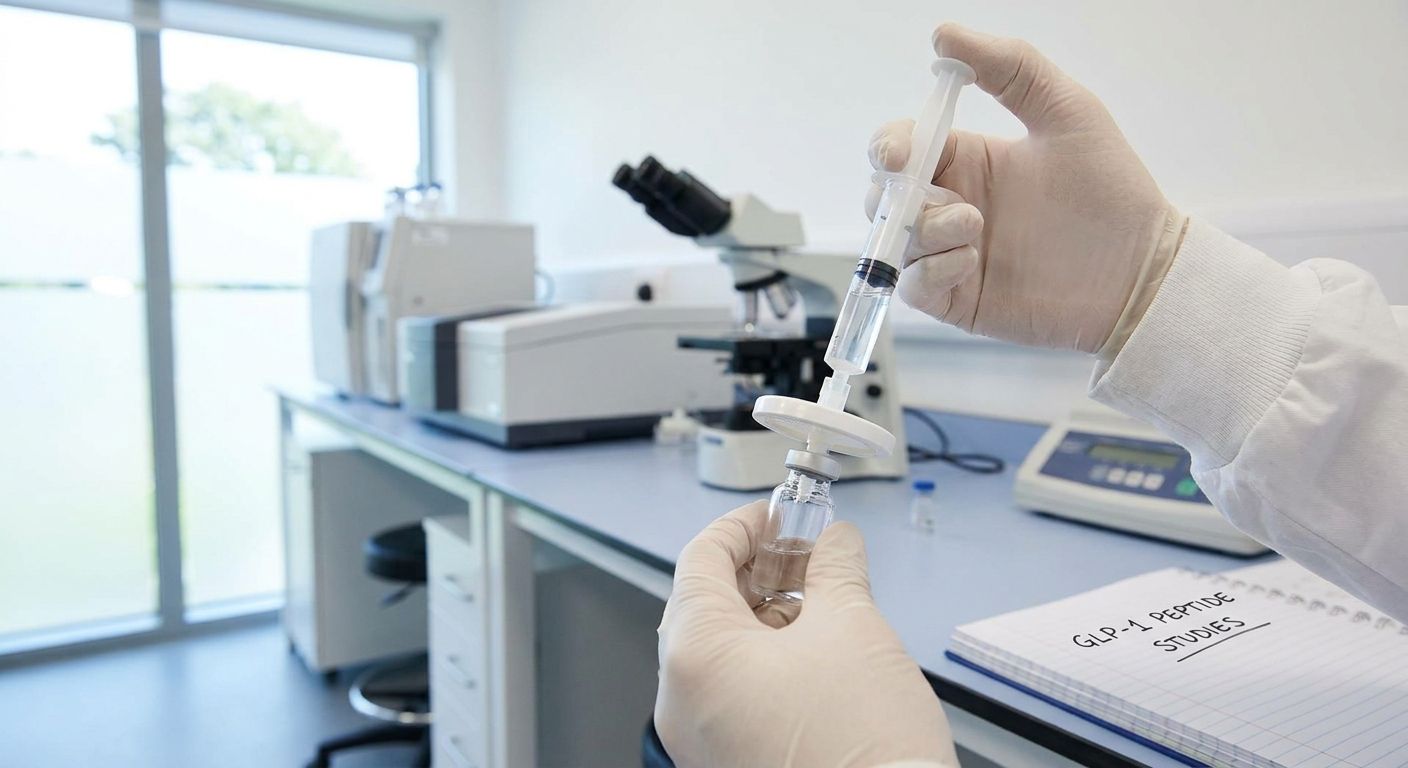
- If reconstitution technique is new to your team, work through the reconstitution steps once before opening a retatrutide vial, not while doing it live.
What to avoid
- Skip vials with no listed concentration math. If a product page won't tell you how much peptide is in the vial, you can't calculate an accurate reconstitution ratio.
- Avoid mismatched water volumes. Adding 5mL of bacteriostatic water to a 5mg vial to "stretch" it produces a concentration too dilute for consistent aliquoting.
- Don't buy 20mg vials for one-off assays. The cost-per-mg savings disappear the moment unused peptide sits past its stable reconstituted window.
FAQ
What is the best peptide vial size for retatrutide research in 2026?
The 10mg vial is the best default peptide vial size for retatrutide research in 2026 for most single-study labs, reconstituting to roughly 3.33mg/mL with 3mL of bacteriostatic water. Labs running longer or concurrent protocols often move to the 20mg size instead.
Is a 5mg or 10mg retatrutide vial better?
A 5mg vial suits short, single-session research work because the reconstituted solution gets used before storage duration becomes a concern. A 10mg vial is better for protocols spanning two to three weeks since it holds more volume without forcing a second reconstitution.
How much bacteriostatic water do I add to a retatrutide vial?
Reconstitution volume depends on the vial size and target concentration: 2mL for a 5mg vial yields 2.5mg/mL, 3mL for a 10mg vial yields 3.33mg/mL, and 4mL for a 20mg vial yields 5mg/mL. Match the ratio to your protocol's aliquot needs before opening the vial.
Does vial size affect retatrutide storage stability?
Vial size itself doesn't change stability, but larger vials sit reconstituted longer as you draw multiple aliquots, which increases cumulative freeze-thaw exposure. Consistent cold-chain storage matters more as vial size and study duration increase.
How much does a retatrutide research vial cost in 2026?
GLP-123 lists retatrutide research vials at $34.00 for 5mg, $42.00 for 10mg, and $78.00 for 20mg as of 2026. Cost-per-mg improves as vial size increases, provided the peptide gets used before it degrades.
Can I use a larger vial to save money on retatrutide research?
A 20mg vial has the lowest cost-per-mg of the sizes GLP-123 stocks, but only saves money if your protocol consumes the volume within the peptide's stable reconstituted window. Otherwise the unused peptide degrades before it's used.
What syringe works with retatrutide research vials?
A standard reconstitution syringe sized for the bacteriostatic water volume you're adding works across all three retatrutide vial sizes. Match syringe volume to your reconstitution ratio rather than the vial's total mg content.
One last thing
The detail most labs miss isn't the vial size — it's that the concentration math changes every time the reconstitution volume changes, and a 1mL difference in bacteriostatic water shifts concentration by a full order of magnitude at the low end. Write the exact ratio on the vial label the moment you reconstitute, not after.